
01Android · iOS · SSR Web
Mobile & Web Engineering
Responsive web portals and offline-capable mobile applications synchronized over resilient APIs.
We architect and engineer scalable digital platforms, enterprise applications, and intelligent business systems that transform complex operations into connected, efficient, and reliable digital experiences.

Design, mobile, web, backend and deployment under one lead
No multi-vendor coordination
Dari, Pashto and English built in from the first day
RTL and LTR, including printed reports
Response times, backups and support scope written into the agreement
No verbal promises
Source code, database and documentation transferred under the contract
You own what you paid for
Every platform we deliver is grounded in disciplined systems engineering, clear data governance, and long-term maintainability for institutions and enterprises.
Responsive web portals and offline-capable mobile applications synchronized over resilient APIs.
Custom operational cores tailored to multi-branch finance, inventory, procurement, and reporting.
Defense-in-depth access controls, validated inputs, transactional databases, and automated backups.
First-class bidirectional RTL/LTR interfaces, localized typography, and multilingual content schemas.
Clean domain boundaries, caching strategies, and CI/CD pipelines ready for organizational growth.
From customer-facing mobile ecosystems to mission-critical ERP backbones, each practice is engineered around measurable operational outcomes.

Android & iOS ecosystems built for field reliability and user retention
Commercial & Operational Impact: Keeps field teams, drivers, sales agents, and customers operational even across intermittent cellular networks.
Native and cross-platform mobile applications featuring offline-first local storage, background synchronization, live geolocation, OTP authentication, and seamless backend integration.

High-performance portals, customer platforms, and e-commerce engines
Commercial & Operational Impact: Establishes an authoritative institutional presence while converting complex customer journeys into self-service digital workflows.
Server-rendered corporate platforms, institutional portals, booking systems, and digital marketplaces engineered for fast load times, technical SEO, and accessibility.

Unified resource planning, customer lifecycles, and point-of-sale control
Commercial & Operational Impact: Eliminates manual reconciliation errors, accelerates approval cycles, and unifies headquarters with distributed branches.
Bespoke enterprise software uniting procurement, multi-warehouse inventory, invoicing, financial ledgers, human resources, CRM pipelines, and retail POS terminals.

Executive visibility, operational command, and role-governed analytics
Commercial & Operational Impact: Replaces fragmented spreadsheets with real-time branch oversight, financial transparency, and accountable decision-making.
Centralized management consoles, business intelligence reporting suites, KPI monitors, granular Role-Based Access Control (RBAC), and immutable operational audit trails.

Resilient APIs, database engineering, caching, and deployment automation
Commercial & Operational Impact: Prevents data silos and system bottlenecks while ensuring existing tools, telecom SMS/OTP gateways, and payment channels communicate reliably.
Scalable service architectures, relational data modeling, Redis caching, third-party gateway integrations, containerized Linux environments, and automated CI/CD delivery.

Cohesive design systems, usability engineering, and legacy transformation
Commercial & Operational Impact: Reduces staff training overhead, lowers technical debt, and extends the lifespan of critical institutional systems without operational disruption.
Component-driven design systems, interactive prototyping, WCAG accessibility engineering, and phased refactoring of aging desktop or web software into modern platforms.
Explore representative interface architectures across the core platform categories HAMRA designs and engineers.
To respect client confidentiality and non-disclosure commitments, the interactive previews below are illustrative engineering solution concepts demonstrating HAMRA interface architecture and system capabilities rather than confidential client data.
Unified command interface aggregating multi-branch operations, approval queues, service SLAs, and regional activity into one structured workspace.
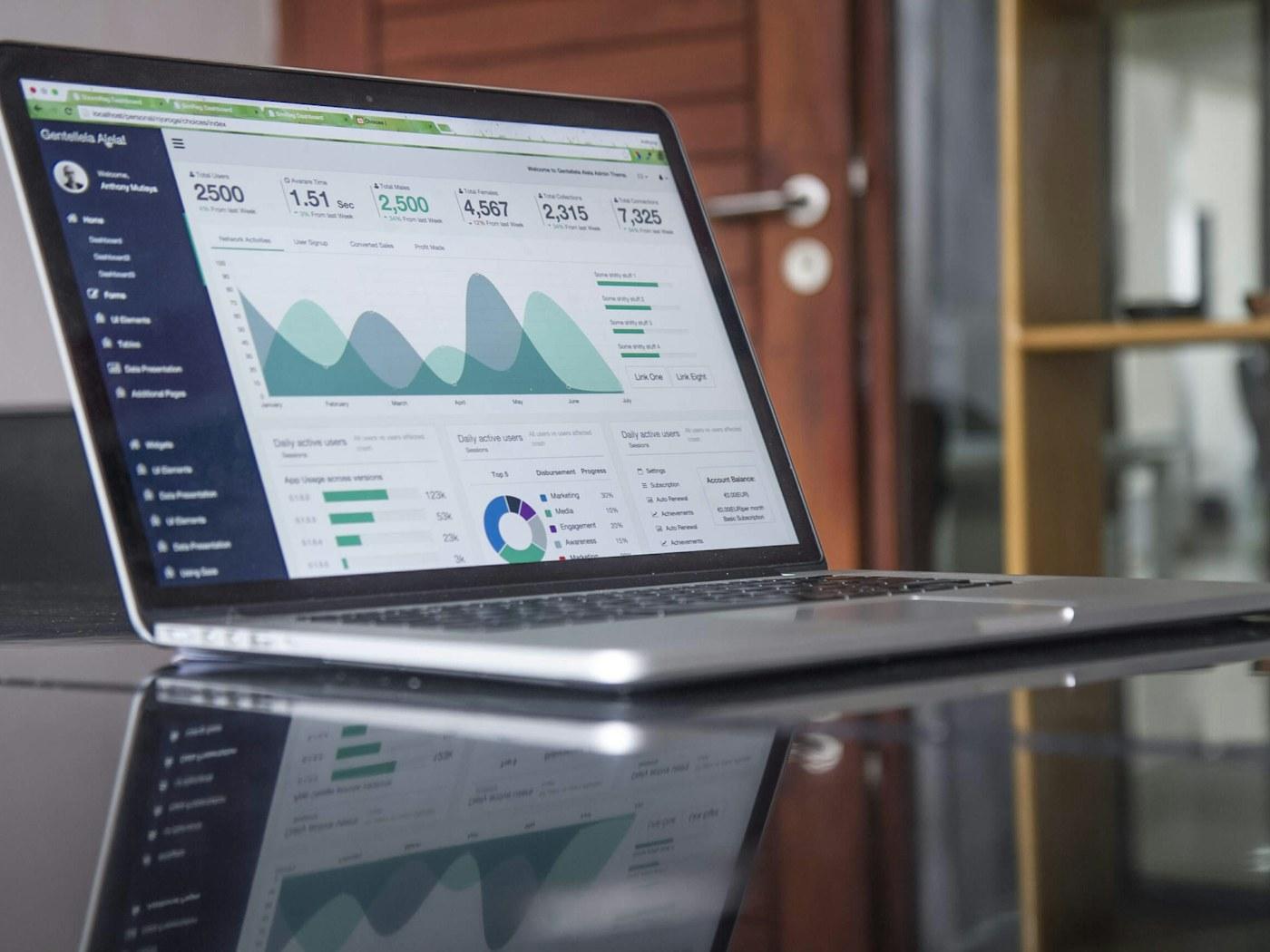 HAMRA · managementDashboard
A cohesive four-tier blueprint connecting client experiences, server-rendered interfaces, transactional data engines, and hardened infrastructure.
Architectural Note: Technology stacks are selected per project based on operational requirements, scale, integration constraints, and client team maintainability — not every engagement requires every tool shown.

Mobile applications engineered for smooth interaction, local persistence, and reliable synchronization over variable mobile networks.
Encrypted Request & Synchronization Flow (HTTPS / TLS · REST · WebSockets)
Accessible, fast-loading web platforms and administrative workspaces with native RTL/LTR localization and strict TypeScript safety.
Structured business logic, validated API boundaries, relational data integrity, and in-memory caching for high-concurrency workloads.
Reproducible server deployments, reverse-proxy hardening, identity enforcement, runtime health monitoring, and scheduled encrypted backups.
We translate sector-specific operational bottlenecks into structured, auditable software systems.

Multi-warehouse inventory, cross-border shipment tracking, wholesale credit control, and field van-sales automation.
A transparent, milestone-driven delivery process with clear technical deliverables and stakeholder review gates at every stage.

We analyze business workflows, consult key stakeholders, assess existing systems and infrastructure constraints, and define clear functional boundaries.
Security is embedded into architecture, data modeling, and deployment rather than treated as an afterthought. We clearly distinguish baseline controls, engineering practices, and contractual SLA terms.
Implemented Baseline Capabilities
Core defensive mechanisms engineered directly into authentication flows, API handlers, and user interfaces.
Engineering & Quality Practices
Software engineering practices applied throughout development, database design, and release pipelines.
Contractual & Operational Commitments
Infrastructure operations, recovery procedures, and ongoing maintenance governed by project agreements.
Transparency Note: Security controls, hosting topology, retention schedules, and response SLAs are scoped and documented explicitly within each project specification without unverified third-party certification claims.
Software succeeds when technical architecture aligns with how people, branches, and networks actually operate on the ground.

We publish only what can be inspected or agreed in writing. These are the commitments every enterprise engagement starts from, not marketing claims.
Scope, price, and phases
Fixed in a signed proposal before engineering begins
Source code and documentation
Ownership and handover terms written into the contract
Named technical contact
One accountable engineer from architecture to go-live
Written acceptance criteria
Each phase closes against agreed, testable deliverables
Client references and measured outcomes are shared with permission during evaluation. We do not publish unnamed logos or unverifiable numbers.
We understand multi-branch cash and bank workflows, local procurement chains, field distribution realities, and institutional approval structures in Afghanistan and regional markets.
Workflows modeled around real organizational operations rather than rigid foreign templates.
Dari, Pashto, and English are engineered into database schemas, typography scales, document exports, and bidirectional UI layouts from day one.
Zero broken RTL alignments, proper Dari/Pashto display typography, and seamless language switching.
Interfaces and APIs are optimized for lean payload sizes, progressive rendering, and offline-capable mobile synchronization where connectivity fluctuates.
Fast load performance on mobile data and resilient field-queue recovery.
One multidisciplinary team handles product design, mobile apps, web platforms, backend APIs, database modeling, and server deployment without fragmented outsourcing.
Single point of technical accountability from architecture blueprint to live production.
We write modular, strictly typed codebases accompanied by architecture diagrams, API specifications, and administrator guides.
Structured technical documentation and clean codebase architecture ready for future expansion.
Every deployment includes structured staff training, administrative handover, and optional SLA maintenance for continuous evolution.
Smooth organizational adoption backed by accessible local engineering support.
Submit your project brief directly below — no app installation required. Our enterprise engineering desk reviews every inquiry and responds with a structured consultation plan.
No formal specification is needed. Describe the operational problem, who will use the system, and the platforms or timeline you have in mind.
From module scope, number of platforms, integration complexity, data migration, and support level — presented as a phased, itemised proposal.
Ownership and handover of source code, database, and documentation are stated explicitly in the signed engineering contract.
Clear answers regarding project initiation, budgeting, intellectual property, security, and ongoing support.
Have a specific procurement, RFP, or technical architecture question?
Speak with Our Engineering TeamYou can submit your project brief directly through the Enterprise Inquiry form on this page, email info@hamra.tech, or contact our team by phone for an initial discovery session. Existing users may also submit requests through the Hamra App.
You do not need a finalized technical specification to start. Sharing your organization’s core operational challenge, intended user groups (customers, field staff, management), desired platforms, and approximate timeline is sufficient for our architects to guide the discovery phase.
Budgets are estimated transparently following technical discovery based on functional scope, number of client platforms (Web, Android, iOS), third-party integrations, data migration complexity, and support requirements — presented as an itemized, milestone-linked proposal.
Timelines depend on system complexity. Focused corporate portals or MVP applications are delivered in structured short cycles, whereas multi-branch ERP/CRM platforms are rolled out in phased operational releases so teams gain value early without waiting months for a single launch.
Intellectual property, custom source code, and database ownership terms are defined explicitly in the formal engineering contract. For bespoke commissioned enterprise systems, ownership and repository handover terms are structured transparently according to the client agreement.
Yes. We architect and engineer custom ERP, CRM, POS, inventory, procurement, and workflow automation platforms tailored to your exact approval hierarchies, accounting rules, and multi-branch operations.
Yes. Where legacy databases, accounting software, telecom SMS/OTP gateways, or payment services expose APIs or structured data stores, we engineer secure integration adapters, synchronization pipelines, or phased migration paths.
We implement defense-in-depth practices including TLS encryption in transit, Role-Based Access Control (RBAC), schema-based input validation, CSRF/XSS protections, ACID database transactions, and automated backups, alongside staging security verification before launch.
Yes. Post-deployment maintenance, server monitoring, security updates, backups, and iterative feature enhancements are provided under clear, mutually agreed Service Level Agreements (SLAs) alongside full technical documentation and staff training.
Yes. Trilingual engineering is a core capability at HAMRA. We build native bidirectional RTL (Dari and Pashto) and LTR (English) interfaces, localized typography, and multilingual database schemas across web, mobile, and exported PDF/Excel reports.
Whether you are building a new enterprise platform, modernizing existing infrastructure, or automating complex business operations, our engineering team is ready to discuss your requirements.